
Reading a Local Ballot Measure's Fiscal Note Before the Hearing
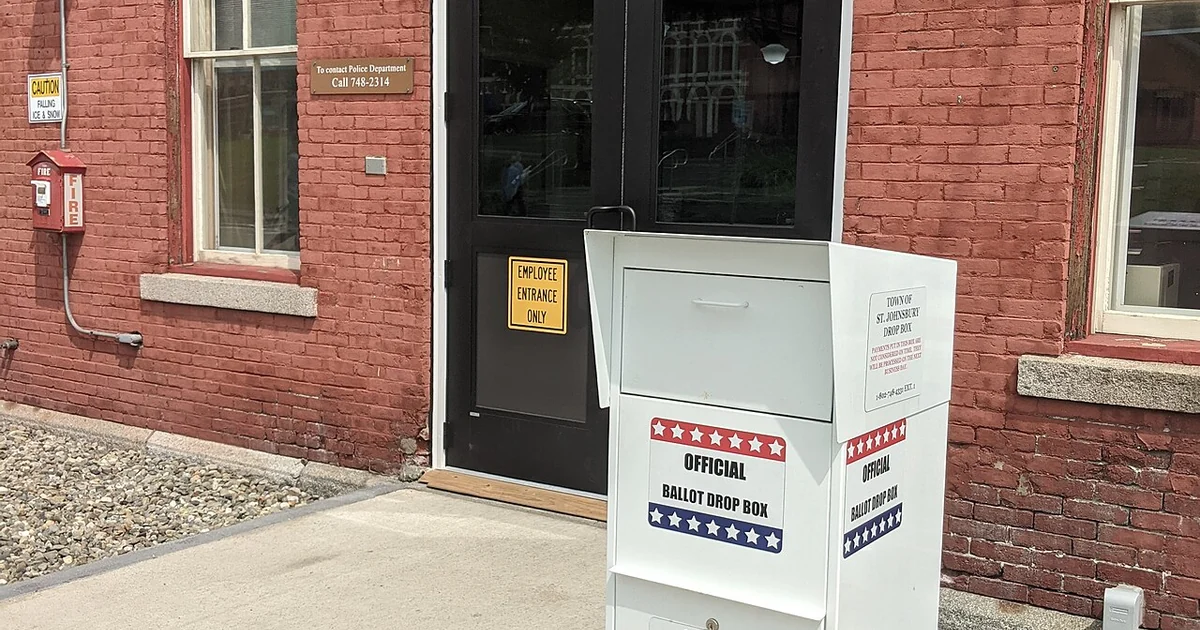

Many local decisions arrive with a short document attached that most readers never open: the fiscal note. It is usually a summary prepared by staff or an analyst that estimates what a proposal will cost, what revenue it may raise, and which budget lines it touches. Center-right readers who care about how public money is spent have good reason to read it closely, because the gap between a proposal's headline and its fiscal note is often where the real debate sits. This article offers a practical method for working through a fiscal note before a hearing, without assuming the note is right or wrong in advance.
Find the Document and Confirm Its Scope
Start by locating the fiscal note itself. Local bodies commonly post it alongside the agenda packet, the proposed ordinance, or the ballot measure language. If you cannot find one, that absence is worth noting, since you are then relying on the sponsor's summary alone. Write down the document's date, the version number if one exists, and the body that prepared it.
Next, confirm what the note covers. Some fiscal notes address only the first fiscal year. Others project several years, but only under stated assumptions. Some cover operating costs and ignore capital outlays, or count one-time transition costs as if they were recurring. Read the scope statement, if there is one, and note what is excluded. An estimate that leaves out equipment, staff training, or administrative overhead is not necessarily wrong, but you should know what it does not claim to measure.
Separate Estimates From Assumptions
A fiscal note is only as reliable as the assumptions behind it. Look for the stated inputs: population counts, participation rates, wage figures, inflation rates, expected enrollment, or projected sales. For each one, ask where the number came from and whether it is current. A participation rate borrowed from a different city, or a wage figure from several years back, may shift the total considerably.
Make a simple two-column list. In one column, write each estimate the note produces. In the other, write the assumption that drives it. Then mark any assumption that is not sourced, is described only as 'anticipated,' or depends on a future decision the body has not yet made. Those unmarked, unsourced inputs are the first questions to bring to a hearing.
Compare the Note to the Proposal's Own Language
Read the proposal text next to the fiscal note. Does the ordinance require spending that the note treats as optional? Does the note assume a program will be phased in, while the ordinance sets a firm start date? Does the proposal create an obligation that continues beyond a single budget cycle, while the note counts only the first year? These mismatches are not evidence of bad faith, but they are common sources of later budget surprises.
Pay attention to verbs. 'May,' 'shall,' 'authorize,' and 'require' carry different weight. A proposal that authorizes a fund but does not appropriate money for it has a different fiscal profile from one that mandates ongoing payments. Note which provisions create binding obligations and which leave discretion to later officials.
A Pre-Hearing Checklist
Before you attend or submit written comments, work through these questions in plain terms. First, what is the total cost in the first year, and what is the total over the period the note covers? Second, which assumptions carry the most weight, and are their sources stated? Third, which costs are recurring and which are one-time? Fourth, does the note name a funding source, and if so, is that source stable or dependent on uncertain revenue? Fifth, what happens if the estimate is off by twenty percent in either direction? Sixth, does the proposal affect any existing program, and does the note account for that effect?
Bring two or three of these questions to the hearing, phrased as requests for clarification rather than accusations. Ask staff to show where a specific assumption comes from. Ask whether the note was updated after any amendment. Ask what the body would cut or reallocate if costs exceeded the estimate. Written questions submitted in advance often get more complete answers than questions asked on the spot, and they create a record you can cite later.
Keep the Record Honest in Both Directions
A careful reader does not assume that every fiscal note inflates costs or that every sponsor understates them. Some notes are conservative by design; others are optimistic because the sponsor wanted a favorable number. Your task is to make the reasoning visible. If the note holds up under scrutiny, say so in your comments and move on. If it does not, identify the specific assumption that fails and explain why it matters. Specific, sourced objections are far more persuasive to a body than general skepticism, and they are fair to the people who prepared the analysis.
After the vote, return to the fiscal note and compare it with the first year of actual spending once the figures are published. That follow-up is the most useful thing a reader can do to improve future estimates, and it builds a track record you can use the next time a similar measure comes up.